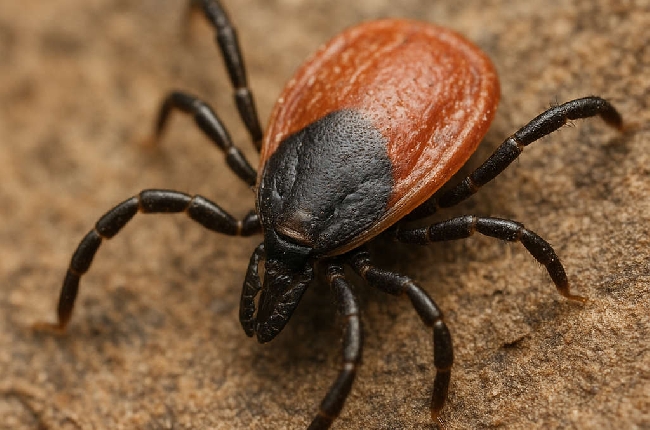
Ticks can remain active whenever temperatures are above freezing, making fall outdoor activities a potential source of exposure.
Cooler fall temperatures may signal the end of mosquito season for many residents, but ticks are still active across the Southeast Public Health region.
Southeast Public Health is reminding residents to continue protecting themselves from bites after the region recorded cases of West Nile virus in 2026.
The area is also considered a high-activity zone for blacklegged ticks, which can transmit Lyme disease and other infections, including anaplasmosis, babesiosis and Powassan virus disease.
Ticks can remain active whenever temperatures are above freezing, making fall outdoor activities a potential source of exposure.
Public health officials recommend checking for ticks after being outdoors, showering within two hours of returning home and putting outdoor clothing in a dryer on high heat for at least 10 minutes. Residents should also use Health Canada-approved repellents and wear long clothing and closed footwear.
Anyone who develops symptoms after spending time outdoors should contact a health-care provider or pharmacist for assessment.
Story by Kingston Daily Staff
 Kingston residents can vote for their favourite design project
 Fire Prevention Week highlights safe battery charging in Kingston
 Kingston Police officer faces impaired driving charges
 Coast Guard vessels conducting training exercises in Kingston
 2026 Kingston Municipal Elections: District 2 - Loyalist-Cataraqui