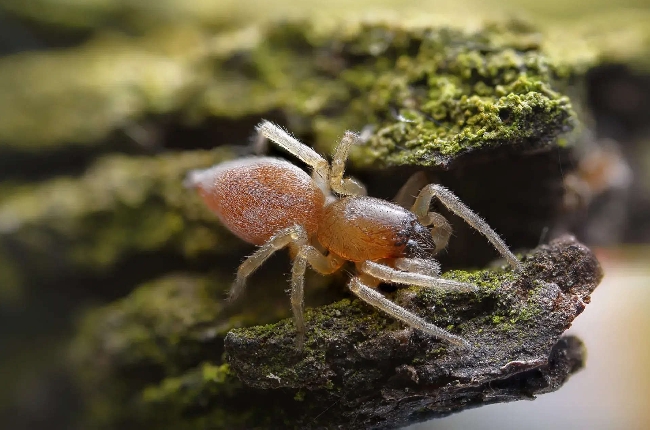
The anti-freeze protein in these spiders can help with protecting food sources.
A surprising winter discovery by a Queen's University researcher could help with food production and more.
Dr. Peter Davies was cleaning out a bird house that he installed in the backyard of his home over the summer.
His colleague, Dr. Laurie Graham, says what he found during the Christmas holidays was not birds, but a winter-active spider called Clubiona.
Both Graham and Davies, who work in Biomedical and Molecular Sciences, did a study and found that this and a few other species of spiders produce an anti-freeze protein that allows them to be active in the coldest of days.
Graham explains how anti-freeze proteins work.
Graham says these spiders can be used to help farmers control pests on crop fields.
In addition to helping save crops from being destroyed by insects, Graham says anti-freeze proteins can also help save frozen foods like ice cream from being spoiled due to ice formation.
Graham says what was interesting during their research was that anti-freeze proteins have evolved independently in various organisms.
Story by Ken Hashizume
 Snowbirds set to give Kingston one more spectacular look at the iconic Tutor jets
 Police using coordinated approach to address open-air drug use in Kingston
 This Canadian program is helping more girls see themselves in tech
 Kingston children of all abilities now have new place to play
 Bobs Lake marine patrol leads to two impaired operation charges