
Effect of new tax brackets may not be felt
The Canada Revenue Agency has released the federal income tax brackets for 2026, adjusted for inflation. The indexation increase will be two per cent, lower than the 2.7 per cent increase in 2025. While tax rates remain unchanged, the income thresholds have shifted slightly.
Income up to $58,523 will be taxed at 14 per cent in 2026. Income between $58,523 and $117,045 will be taxed at 20.5 per cent, rising to 26 per cent up to $181,440, 29 per cent up to $258,482, and 33 per cent above that level.
The changes reflect Ottawa’s decision to cut the lowest marginal tax rate from 15 to 14 per cent. The federal government says the maximum savings will be $420 per person, or $840 per couple, and that more than $27 billion in tax relief will be delivered over five years. Inflation indexing will also boost benefits such as the GST credit and Canada Child Benefit starting July 1, 2026.
However, food prices are forecast to rise four to six per cent this year, adding nearly $1,000 annually for a family of four. About one in four Canadian households is now considered food insecure.
Housing and utility costs are also climbing. Ontario’s rent increase cap will be 2.1 per cent, while home prices are expected to rise one to five per cent. Enbridge Gas customers may pay up to $45 more per year, while Hydro One's rate review process is underway.
For many families, higher bills may quickly cancel out the tax break.
 Motorists see spike in prices at the pumps in Kingston and across Canada
 Kingston Police monitoring Middle East conflict, adding more officers
 A good time had by all at the Kingston Canadian Film Festival
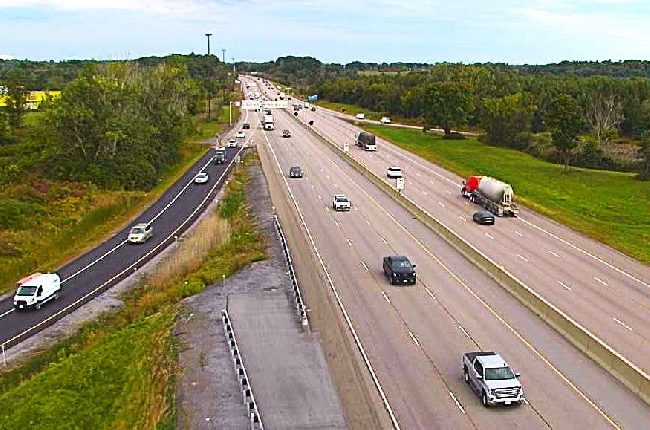 Cataraqui Conservation urges study of 401 high-speed rail route
 OPP warns of rising police-impersonation scam targeting residents