
Homeowners must install working CO alarms in two key locations: adjacent to each sleeping area and, as of 2026, on every storey of the home — including those without bedrooms.
Starting January 1, 2026, new provincial safety regulations will expand carbon monoxide (CO) alarm requirements in existing homes across Ontario. The change aims to protect residents from carbon monoxide — an invisible, odourless, and potentially deadly gas that can result from fuel-burning appliances or attached garages.
Under the updated Fire Code, homeowners must install working CO alarms in two key locations: adjacent to each sleeping area and, as of 2026, on every storey of the home — including those without bedrooms. The rules apply to all homes with fuel-burning appliances, fireplaces, or attached garages, as well as those receiving air for heating from an external fuel-burning source.
Landlords are responsible for compliance in rental properties, while homeowners must ensure their own homes meet the new standards. CO alarms can be hardwired, battery-operated, or plug-in models, and must display certification from recognized testing agencies such as CSA, ULC, or ETL.
Officials remind residents that installing and maintaining CO alarms is not just a legal requirement — it’s a lifesaving measure. For clarification or local enforcement details, contact Kingston Fire and Rescue.
Story by Tim Baltz
 Motorists see spike in prices at the pumps in Kingston and across Canada
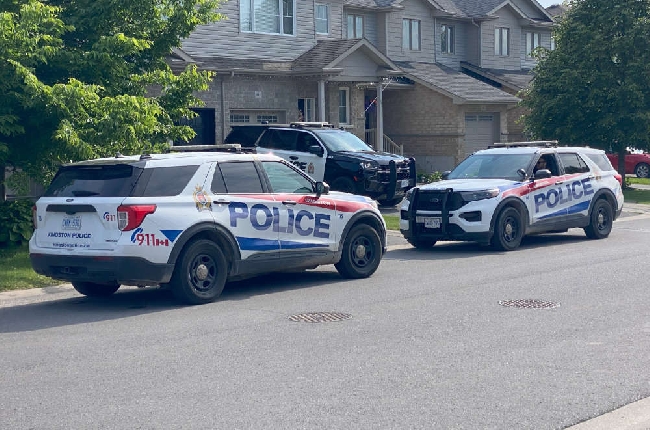 Kingston Police monitoring Middle East conflict, adding more officers
 A good time had by all at the Kingston Canadian Film Festival
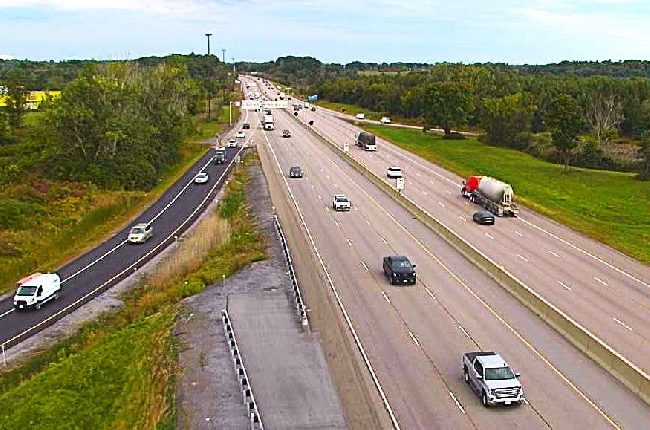 Cataraqui Conservation urges study of 401 high-speed rail route
 OPP warns of rising police-impersonation scam targeting residents