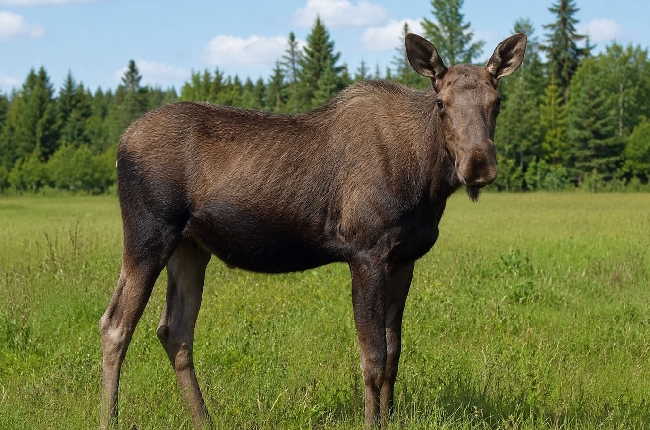
CWD affects deer, elk, moose and caribou and while there are no cases in Ontario, it is present in neighbouring provinces and US states.
Ontario is asking hunters in Eastern Ontario to help monitor chronic wasting disease (CWD) as the 2026 hunting season gets underway.
The province is conducting targeted surveillance in the Kingston, Perth and Brockville areas, covering Wildlife Management Units 63B, 64A, 66A, 67 and 69B.
Hunters who harvest a white-tailed deer aged one year or older in the surveillance areas are asked to submit samples for testing.
Samples can be provided through ministry freezer depots, field sampling by wildlife technicians, or participating taxidermists and butchers. The first 500 hunters in each surveillance area to submit a sample will receive a collectable crest and sample ID card.
CWD affects deer, elk, moose and caribou. It has not been detected in Ontario wildlife, but is present in all neighbouring Canadian provinces and U.S. states.
The province says CWD does not pose a risk to human health. Hunters can learn more and report suspected cases through Ontario's CWD surveillance program.
Story by Kingston Daily Staff
 Kingston Police seeking witnesses to a fatal multi-vehicle crash
 GoFundMe for injured Belleville police officer surpasses $300K
 Howe Island Terry Fox Run more than doubles their fundraising goal
 There is no appetite for Alto in Kingston says opponent
 Paddleboarding for mental health in Kingston